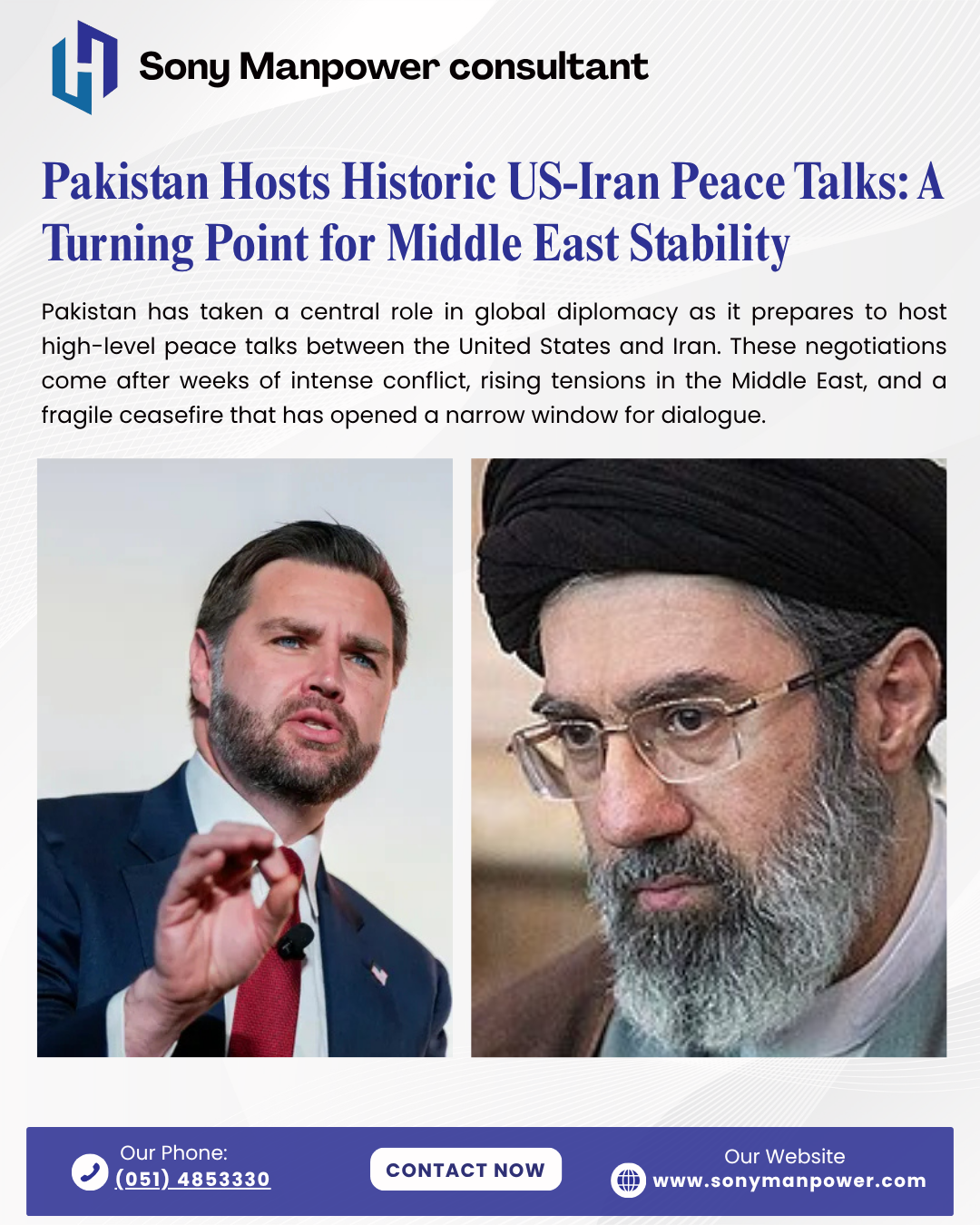
Pakistan has taken a central role in global diplomacy as it prepares to host high-level peace talks between the United States and Iran. These negotiations come after weeks of intense conflict, rising tensions in the Middle East, and a fragile ceasefire that has opened a narrow window for dialogue.
The upcoming talks in Islamabad are being seen as a critical opportunity to prevent further escalation and possibly establish long-term peace in the region.
High-Level Delegations Arrive in Pakistan

The United States delegation will be led by JD Vance, signaling the seriousness of Washington’s commitment to negotiations. He will be joined by key figures including Steve Witkoff and Jared Kushner.
On the Iranian side, the delegation is expected to be led by Mohammad Baqer Qalibaf along with Foreign Minister Abbas Araqchi.
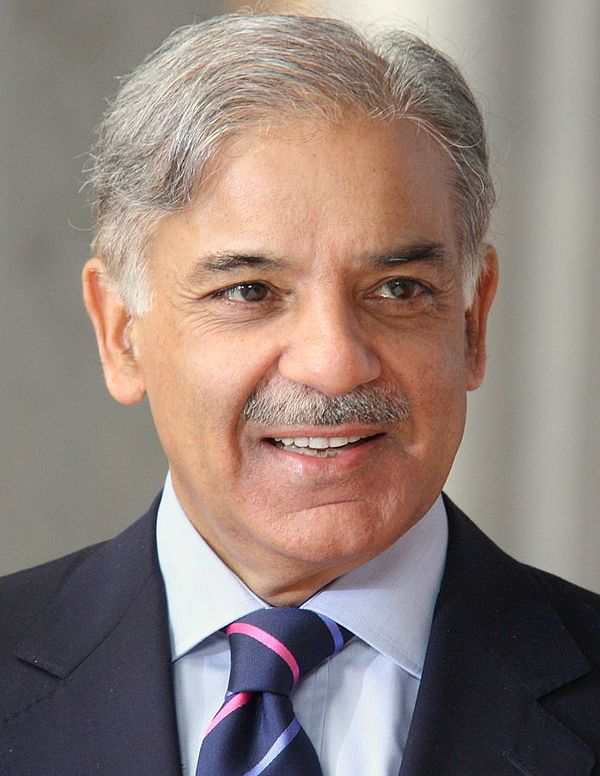
Pakistan’s Prime Minister Shehbaz Sharif has confirmed the talks and described them as a “historic moment” for peace.
Background: How the Conflict Escalated

The talks follow a five-week-long conflict between the United States and Iran that caused widespread destruction and instability across the region.
The conflict involved:
- Airstrikes on military and infrastructure targets
- Attacks on oil facilities in Gulf countries
- Increased military activity in Lebanon
- Disruptions in global oil supply routes
One of the most critical flashpoints was the Strait of Hormuz, a key global shipping route. Iran had threatened to block or restrict passage, raising fears of a global energy crisis.
Ceasefire: A Fragile Opportunity for Peace
A ceasefire was announced after intense diplomatic efforts, largely facilitated by Pakistan. The truce created a temporary pause in hostilities and allowed both sides to consider negotiations.
However, the ceasefire remains fragile due to:
- Continued Israeli strikes in Lebanon
- Iranian drone activity in Gulf regions
- Disagreements over the scope of the ceasefire
According to the US, the ceasefire applies only to direct US-Iran conflict. However, Iran insists it must include all regional tensions, including Lebanon.
This disagreement highlights the complexity of the situation.
Pakistan’s Role as a Mediator
Pakistan has emerged as a key diplomatic bridge between Washington and Tehran. Prime Minister Shehbaz Sharif played an active role in facilitating communication between both sides.
Pakistan’s contributions include:
- Proposing the initial ceasefire framework
- Hosting the peace talks in Islamabad
- Coordinating with global powers like China and Gulf nations
- Ensuring security and logistics for delegations
International support for Pakistan’s role has come from countries such as China, Saudi Arabia, Türkiye, and Egypt.
Major Issues on the Negotiation Table
Despite the willingness to talk, several major disagreements remain unresolved.
1. Iran’s Nuclear Program
The United States, under Donald Trump, is demanding strict limits on Iran’s nuclear activities.
Key US demands include:
- Stopping uranium enrichment
- Handing over nuclear materials
- Ending missile and drone programs
Iran, however, insists that it has the right to continue peaceful nuclear development.
2. Sanctions and Economic Pressure
Iran is pushing for:
- Removal of US sanctions
- Lifting of UN restrictions
- Compensation for war damages
The US has not fully agreed to these conditions, making this a major sticking point.
3. Strait of Hormuz Control
The Strait of Hormuz remains a critical issue.
- Iran wants control over shipping access
- The US demands free and safe navigation
Any disruption in this route can impact global oil prices and trade.
4. Regional Conflicts (Lebanon & Beyond)
Another major disagreement is whether the ceasefire includes conflicts involving groups like Hezbollah in Lebanon.
- Iran insists on a full regional ceasefire
- The US considers it a separate issue
This difference could affect the success of negotiations.
Statements from Key Leaders
JD Vance stated that the US is ready to negotiate in good faith but emphasized that progress depends on Iran’s approach.
Meanwhile, Iranian leadership has accused the US and its allies of violating ceasefire conditions even before talks begin.
Mohammad Baqer Qalibaf criticized continued military actions, calling negotiations under such conditions “unreasonable.”
Security and Preparations in Islamabad
Pakistan has made extensive preparations to host the talks:
- High-level security across Islamabad
- Restricted zones in key areas
- Hotels reserved for delegations
- Advance teams already managing logistics
The government has also announced temporary public holidays to ensure smooth arrangements.
Global Reactions to the Peace Talks
The international community has largely welcomed Pakistan’s initiative.
Countries supporting the talks include:
- China
- Saudi Arabia
- Türkiye
- Egypt
- European Union
These nations see the talks as a crucial step toward preventing a wider regional war.
Challenges Ahead
While the talks offer hope, several challenges remain:
1. Deep Mistrust
Both the US and Iran have a long history of conflict and distrust, making negotiations difficult.
2. Ongoing Military Actions
Continued attacks in Lebanon and the Gulf region could derail the peace process.
3. Conflicting Expectations
- The US wants strict control over Iran’s nuclear program
- Iran demands sovereignty and sanctions relief
4. Regional Complexity
The involvement of multiple countries and groups adds further complications.
Why These Talks Matter Globally
The outcome of these negotiations could have a long-term impact on global stability.
Potential Benefits:
- Reduced tensions in the Middle East
- Stability in global oil markets
- Safer international shipping routes
- Improved diplomatic relations
Potential Risks if Talks Fail:
- Renewed military conflict
- Economic instability
- Energy crisis
- Expansion of war across multiple regions
A Defining Moment for Pakistan
Hosting these talks has placed Pakistan at the center of global diplomacy.
Prime Minister Shehbaz Sharif described this as an opportunity to achieve a “comprehensive and conclusive agreement.”
Pakistan’s successful mediation could strengthen its international reputation as a peace-building nation.
Final Words:
The US-Iran peace talks in Pakistan represent a rare opportunity to move from conflict to cooperation. While challenges remain significant, the willingness of both sides to engage in dialogue offers hope.
With global attention focused on Islamabad, the coming days will be critical in determining whether diplomacy can succeed where conflict has failed.
If successful, these negotiations could reshape the future of the Middle East and bring much-needed stability to the region.
For More Details Follow our website Sonymanpower.com