
Saudi Arabia Work Visa Processing in Pakistan in 2026
Saudi Arabia Work Visa Processing in Pakistan Saudi Work Visa Overview A Saudi work visa is an official document issued by the Saudi government that permits foreigners to work in Saudi Arabia. This visa is valid for one year and can be renewed annually, up to three years in total. How to Get a Saudi Arabia Work Visa in Pakistan To apply for a Saudi work visa in Pakistan, you must first secure a job offer from a Saudi employer. Your employer will initiate the visa application on your behalf. This process typically takes up to two months. Once your visa is approved, you will need to visit the Saudi embassy or consulate in Pakistan to have the visa stamped on your passport. This stamping process usually takes about two weeks. After your visa is stamped, you can travel to Saudi Arabia and start your new job. Sony Manpower, a top recruitment agency in Pakistan specializing in Saudi visa processing, can assist you throughout this process. Requirements for a Saudi Work Visa The requirements for a Saudi visa can vary based on your nationality. Generally, all applicants need the following: A valid passport A medical certificate A sponsorship letter from a Saudi employer Additional requirements might include: A criminal background check A no-objection certificate from your current employer A letter of good conduct from your educational institution For specific requirements, it is best to contact the Saudi Embassy or Consulate. Documents Needed for a Saudi Visa When submitting your application to the Saudi Embassy Islamabad, you will need: A valid passport Copies of your educational certificates Copies of your work experience certificates A medical certificate A sponsorship letter from your Saudi employer A completed visa application form More detailed information can be found on the Saudi Embassy website. Saudi Arabia Work Visa Application Process in Pakistan The steps to apply for a Saudi visa are as follows: The Saudi employer requests a visa from the Saudi Arabian Ministry of Labor. The Ministry reviews the request and issues a labor license if approved. The employer submits a visa application to the Saudi Arabian Consulate in Pakistan. The applicant must provide the following documents to the consulate: A valid passport A completed visa application form A medical certificate A copy of the employer’s labor license A copy of the employment contract The consulate reviews the application and issues the visa if approved. This process typically takes 2-4 weeks. Processing Time for a Saudi Work Visa The processing time for a Saudi work visa can vary. In Pakistan, it usually takes 3-4 weeks, while in the United States, it can take 6-8 weeks. Once approved, you will need to schedule an appointment at the Saudi embassy in Islamabad or consulate to have your visa stamped, which typically takes 1-2 days. Fees for a Saudi Work Visa The cost of a Saudi work visa varies by type and duration. Here are some examples: Single-entry visa: SAR 2,000 Multiple-entry visa: SAR 3,000 One-year visa: SAR 5,000 Two-year visa: SAR 7,000 Fees can be paid in cash or by credit card. Validity and Renewal of a Saudi Work Visa A Saudi work visa is valid for one year and can be renewed for up to two more years, for a total of three years. To renew your visa, submit the following documents to the Saudi embassy in Islamabad or consulate: Your valid Saudi work visa Your passport A copy of your employment contract A medical certificate A police clearance certificate The renewal process typically takes 2-3 weeks. Extending a Saudi Arabia Work Visa To extend your visa, you will need: Your current Saudi visa A copy of your passport A recent pay stub A letter from your employer confirming your employment The extension process usually takes 2-4 weeks. Transferring a Saudi Work Visa If the original visa holder dies, becomes incapacitated, or loses their job, the visa can be transferred to another person. The transfer process involves: The original holder requests the transfer from the Saudi Ministry of Labor. The Ministry approves the request if the new holder meets visa requirements. The new holder paying the necessary fees and submitting required documents. The Ministry issuing a new visa to the new holder. This transfer process can take several weeks, so plan accordingly. Need Assistance? For help with the Saudi visa process, contact our experts at the Sony Manpower recruitment agency in Pakistan today! More Resources: Top Recruitment Agencies in Pakistan For saudi arabia Top Recruitment Agency In Pakistan For Saudi Arabia
Guide to Saudi Arabia Work Visa Processing in Pakistan

Guide to Saudi Arabia Work Visa Processing in Pakistan A Saudi work visa lets people from other countries work in Saudi Arabia. The visa lasts for one year and can be renewed up to three times. To get a visa in Pakistan, you need a job offer from a company in Saudi Arabia. Your employer will handle the visa application for you. This process can take around two months. Once your visa is approved. You need to go to the Saudi embassy or consulate in Pakistan to get your visa stamped. This can take up to two weeks. After your visa is stamped, you can go to Saudi Arabia and start your job. Recruitment agencies in Pakistan can help you with this whole process. Saudi Work Visa Requirement The requirements for a Saudi work visa depend on the applicant’s nationality. Generally, you will need: You may also need: For more information on the specific requirements for getting a visa, please contact the Saudi Embassy or Consulate in your country. Documents Required: The following documents are required for submission of documents to Saudi Embassy in Islamabad: You can find more information on the specific requirements for a Saudi work permit on the Saudi Embassy website. Stamping Process in Pakistan The application process for a Saudi work permit is as follows: Processing Time for a Saudi Work Visa The time it takes to process a Saudi work permit can differ based on the country you’re applying from. For instance, if you’re applying from Pakistan, it usually takes about 3-4 weeks, while applications from the United States may take around 6-8 weeks. After your visa is approved, you need to book an appointment at the Saudi embassy or consulate in your country to get your visa stamped. The stamping process typically takes 1-2 days, although this can vary by location. Once your visa is stamped, you can travel to Saudi Arabia and start working. Fees for Saudi Work Visa The fees for a Saudi work visa vary depending on the type of visa and the length of stay. For example, the fee for a single-entry work visa is SAR 2,000, while the fee for a multiple-entry work permit is SAR 3,000. The fee for a one-year work visa is SAR 5,000, while the fee for a two-year work visa is SAR 7,000. The fees for a Saudi visa can be paid in cash or by credit card. The fees must be paid in Saudi riyals. Validity of Saudi Work Visa A Saudi work visa is valid for one year and can be renewed for up to two more years, therefore allowing a total maximum validity of three years. To renew your Saudi visa, you need to submit the following documents to the Saudi embassy or consulate in your home country: Hence the processing time for renewing a Saudi visa usually takes about two to three weeks. Extensions of Saudi Work Visa A Saudi work permit can be extended for a maximum of two years. Also to extend your visa, you must submit the following documents to the Saudi embassy or consulate in your home country: The processing time for an extension of a Saudi work visa is typically two to four weeks. Do you want help from Saudi Visa Processing Experts from Pakistan? Get in touch with us right now! Transferring a Saudi Work Visa A Saudi work visa can be transferred to someone else if the original holder dies, becomes unable to work, or loses their job. Here’s how to transfer a Saudi visa: It’s important to remember that transferring a Saudi work visa is not automatic. Hence the original holder needs to make the request, and the new holder must meet all the requirements for a Saudi work visa. Hence this process can take several weeks, so it’s good to plan ahead. More Resources: Top Recruitment Agency In Pakistan For Saudi Arabia
Saudi Census 2022: From 2010 to 2022 Census Changes
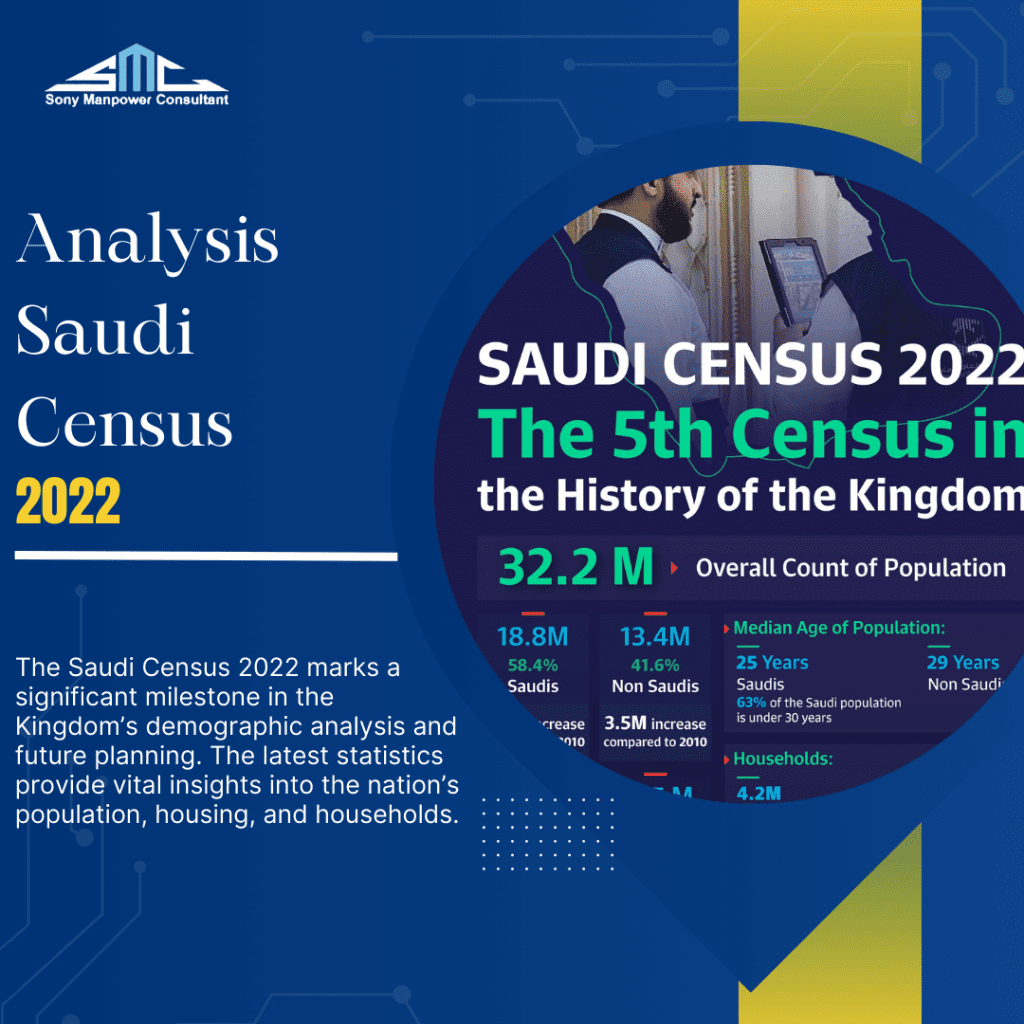
Saudi Census 2022: From 2010 to 2022 Census Changes Understanding the Saudi Census 2022 The Saudi Census 2022 represents a major step in understanding the Kingdom’s demographic landscape. Conducted by the General Authority for Statistics (GASTAT), the census offers detailed insights into the population structure, housing conditions, and household composition in Saudi Arabia. These findings are crucial for shaping national policies and supporting Vision 2030 objectives. Snapshot of Saudi Arabia’s Population in 2022 According to the latest data, the population of Saudi Arabia stands at 32.2 million people. Out of this total: 58.4% (18.8 million) are Saudi citizens 41.6% (13.4 million) are expatriates Other notable demographics include: Median age: 29 years Youth population (Saudis under 30): 63% Male population: 19.7 million (61%) Female population: 12.5 million (39%) This distribution highlights the country’s youthful nature, with the majority of the population below the age of 30. Comparing 2010 and 2022 Census Results The 2022 census reveals significant demographic changes when compared to the 2010 figures: Data Point 2010 2022 Change Total Population 27.1 million 32.2 million +5.1 million Saudi Citizens 18.7 million 18.8 million +0.1 million Non-Saudis 8.4 million 13.4 million +5 million Median Age ~26.5 years 29 years Slight increase The most striking difference lies in the growth of the non-Saudi population, reflecting the Kingdom’s ongoing reliance on foreign workers. Youthful Energy: The Power of a Young Population One of the most important findings is the youthful demographic: over 63% of Saudis are under 30. This trend has direct implications for sectors like education, employment, housing, and healthcare. Planning for a future driven by youth requires investments in schools, job training, and modern infrastructure. Gender Breakdown and Implications The 2022 figures show a higher male population: Males: 19.7 million Females: 12.5 million This gender gap is partly due to the large number of male expatriate workers. Recognizing this distribution is important for designing gender-responsive services in health, employment, and education. Geographic Spread: Major Cities and Population Centers Saudi Arabia’s population is not evenly distributed. Urban centers like Riyadh, Jeddah, Makkah, Madinah, and Dammam have seen significant growth. Understanding this helps in efficient resource distribution and urban planning, especially for infrastructure, public services, and transportation systems. Housing Data: A Look into Residential Life The Kingdom now has over eight million residential units. Interestingly: Apartments make up 51% of all housing This reflects the rising trend of urbanization and the growing preference for apartment living in city areas. This data is essential for guiding real estate investments and housing development projects. Saudi Households: Composition and Size There are around 4.2 million Saudi families Average Saudi family size: 4.8 members Average non-Saudi family size: 2.7 members Among non-Saudis, men make up 76% of the group, a statistic that aligns with the employment-focused migration patterns into the country. Backcasting: How Far Has the Kingdom Come? The 2022 census uses a technique called backcasting to compare with past data: Population growth from 2010 to 2022: +8.2 million Saudi citizens increase: +4.8 million Non-Saudis increase: +3.5 million This method offers a deeper perspective on long-term population trends, helping decision-makers understand where growth is happening and why. Smart Data Collection: Technology Driving Accuracy The 2022 census benefited from technological advancements, including: Satellite mapping Self-enumeration tools Automated data verification With a confidence level of 95%, these tools ensured more precise data collection than ever before. Field visits and data correction techniques helped validate the information, boosting its reliability. Commitment to Transparency and Data Privacy GASTAT emphasized both data security and public transparency. By using international best practices and high confidentiality standards, the agency has built public trust and encouraged active participation in national statistics efforts. Policy Impact: Using Census Data for National Development The census provides a foundation for shaping economic and social strategies. It supports government goals such as: Developing inclusive education systems Expanding healthcare infrastructure Improving housing and transportation Supporting labor market reforms Moreover, the census directly contributes to realizing the goals of Vision 2030, helping Saudi Arabia build a thriving society, a vibrant economy, and an ambitious nation. Addressing Public Concerns: GASTAT’s Official Response Following the data release, some observers questioned discrepancies with previous figures (like those from 2015). GASTAT President Dr. Fahad Aldossari clarified: The 2022 census used cutting-edge tools for better accuracy Economic events, like the COVID-19 pandemic, influenced non-Saudi population trends Backcasting was applied to ensure continuity and understanding of past trends This response reinforces the reliability of the 2022 data and underlines GASTAT’s commitment to improving statistical practices. Conclusion: Saudi Census 2022 in Perspective The Saudi Census 2022 is more than just numbers—it’s a roadmap for the future. By leveraging modern technology, maintaining transparency, and analyzing population trends, Saudi Arabia has created a powerful tool for national development. As the country advances toward the goals set in Vision 2030, this data will be instrumental in guiding policy, shaping infrastructure, and ensuring sustainable growth. The insights from the census serve not only Saudi policymakers but also global investors and researchers looking to understand the Kingdom’s evolving dynamics. Frequently Asked Questions (FAQs) 1. What is the Saudi Census 2022, and why is it important?It’s a national population and housing survey that provides insights essential for planning infrastructure, services, and national development strategies. 2. What is the total population according to the 2022 census?32.2 million people, with 58.4% Saudis and 41.6% non-Saudis. 3. How does the 2022 census compare to the 2010 data?There has been a population growth of 8.2 million, including significant increases among both Saudis and expatriates. 4. What does the census say about housing in Saudi Arabia?There are over 8 million residential units, and apartments account for more than half of them. 5. How does the youthful population impact national planning?With 63% of Saudis under 30, the government needs to prioritize education, employment, and youth engagement initiatives. 6. What technologies were used in the 2022 census?Satellite imagery, self-reporting tools, automated error detection, and modern data analysis techniques. 7. How does the census support Vision 2030?It provides accurate, up-to-date data to
Update Iqama in Saudi Alawwal Bank online
How to Update Iqama in Saudi Alawwal Bank online Introduction Updating your Iqama online with Alawwal Bank is straightforward and essential. Keeping your Iqama details current isn’t just about compliance; it’s crucial for accessing various services and carrying out everyday activities in Saudi Arabia. It has a user-friendly online platform that streamlines the process, making it simple and convenient to update your information quickly. Let’s walk through the easy steps to ensure your Iqama remains up-to-date. Why is it important to update your Iqama with Alawwal Bank? Before we discuss how to update your Iqama, let’s understand why it’s so important. Keeping your Iqama information up-to-date is not just a rule you need to follow; it’s also crucial for many things you might want to do in Saudi Arabia. Using an online platform makes updating your information simple and hassle-free. Method #1: Update Iqama Through Alawwal Banks’ App Updating your Iqama with Alawwal Bank is simple through their secure online portal. Here’s how: Step 1: Log In to Alawwal App Log in to your Alawwal Bank App account. Step 2: Check for Iqama Expiration If your Iqama is set to expire within the next three months, you’ll see an “Update” option on your home screen. Click on it to proceed. Step 3: Input Date of Birth and Accept Terms Enter your date of birth as shown on your Iqama and accept the terms and conditions. Step 4: Confirm Successful ID Update A system message will confirm that your ID details have been successfully updated with the Bank. Method 2: Update Iqama Using Online Banking Updating your Iqama through Alawwal Bank’s online banking is straightforward. Here’s how: Step 1: Log In to Alawwal Bank Internet Banking Account Log in to your Internet banking account. Step 2: Navigate to the “Personal Information” or “Settings” Tab If the “Update” option isn’t visible on your home screen, go to the “Personal Information” or “Settings” tab. Step 3: Input Iqama Details Following On-Screen Instructions Enter your Iqama details as instructed on the screen, ensuring all information is correct. Step 4: Upload Necessary Supporting Documents Upload any required documents, such as a valid copy of your Iqama or residency permit. Review all the entered information and submit your request. Method 3: Update Iqama by Visiting an Alawwal Bank Branch If you prefer a face-to-face approach, you can update your Iqama by visiting an Alawwal Bank branch. Here’s how: Step 1: Locate the Nearest Branch Use Google Maps or the “Branch Locator” feature on the bank’s website to find the nearest branch. Step 2: Obtain a Customer Services Token Upon arrival, take a “Customer Services” token and inform the bank officer about the purpose of your visit. Step 3: Submit Iqama for Processing and Complete Paperwork Hand over your Iqama to the officer, who will make a copy. Step 4: Reactivate Account (If Needed) After completing the paperwork, your Iqama will be updated in the system. If your account was frozen, you can verify reactivation by making a quick ATM withdrawal. Final Reflections: Updating your Iqama with Alawwal Bank online is a straightforward process, catering to the diverse preferences of its users. Whether you choose the convenience of Internet banking or the personalized touch of visiting a branch, Alawwal Bank ensures a positive user experience. Stay compliant with Saudi regulations and embrace the efficiency of Alawwal Banks’ digital services, making incremental improvements in the way you manage your financial information.
Easiest way to update your Iqama in ANB Bank
Easiest way to update your Iqama in ANB Bank If you’re a Saudi expatriate and your Iqama (residency permit) is about to expire, don’t worry! Keeping your Iqama up-to-date is important for many things, including banking. Fortunately, updating your Iqama with ANB (Arab National Bank) is straightforward. In this guide, we’ll show you how to update your Iqama with ANB Bank online. You can do this in three simple ways. Method 1: How to Update Your Iqama in ANB Bank Online Updating your Iqama with ANB Bank online is simple. Just follow these eight steps: Log in to the ANB App Open the ANB app and sign in with your username and password. Receive OTP Get a one-time password (OTP) sent to your registered phone number. Access Menu Tap on the three-dot icon to open the menu. Update Information Select “Update My Information” from the menu. National ID Update Click on “National ID Info” and then choose “Update.” Enter OTP Input the OTP you received on your mobile. Error Handling If you see an error notification, don’t worry—your Iqama will still be updated. Verification Check To confirm the update, go back to “Update My Information” and “National ID Card.” Method 2: How to Update Your Iqama in ANB Bank Through Internet Banking Updating your Iqama through ANB Bank’s internet banking is straightforward. Follow these nine steps: Log into ANB Internet Banking Access your ANB Internet Banking profile with your username and password. Receive OTP After logging in, an OTP (One-Time Password) will be sent to your registered phone number. Access the Menu Click on the three-dot icon located on the left side of the screen to open the menu. Select “Update My Information” Choose “Update My Information,” which is usually the second-to-last option in the menu. Choose “National ID Info” A window will appear with several options. Select “National ID Info.” View Your ID Information Your ID details will be displayed. Click the “Update” button at the bottom. Receive Another OTP After clicking “Update,” you’ll receive another OTP. Enter this code and press “Enter.” Possible Error Notification If you encounter an error notification, don’t worry—your Iqama update will still be processed. Approval To confirm the update, repeat the process: click the three dots on the left, select “Update My Information,” then “National ID Card.” By following these steps, you can easily update your Iqama through ANB’s internet banking, ensuring your account remains in good standing and compliant with Saudi regulations. Method 3: How to Update Your Iqama by Visiting a Branch To update your Iqama at an ANB Bank branch in Saudi Arabia, follow these eight simple steps: Visit the Bank Go to the nearest ANB Bank branch during business hours. Check the branch locations and hours on the bank’s website or call them for details. Bring Required Documents Take your current Iqama (residency permit) and any other identification documents the bank may need. Approach the Customer Service Desk Once inside, go to the customer service desk or any available bank staff. Inform them that you need to update your Iqama information. Fill Out Forms The staff will give you the necessary forms to complete. These forms will ask for your updated Iqama details, such as the new Iqama number and expiry date. Submit the Forms and Documents After filling out the forms, submit them along with your current Iqama and any other required documents to the bank staff. Wait for Processing The bank will process your request to update your Iqama information. This might take a little time, so please be patient. Receive Confirmation Once your Iqama information is updated in the bank’s system, you’ll receive a confirmation message or receipt from the bank staff. Verify Updated Information Before leaving, check to make sure your Iqama information has been correctly updated in the bank’s records. Important Considerations: Always keep your Iqama up-to-date to avoid issues with banking transactions and legal matters. If you encounter any difficulties or have questions about updating your Iqama, don’t hesitate to contact ANB Bank’s customer support. They are there to assist you. Final Words: Updating your Iqama with ANB Bank is easy, thanks to their user-friendly online platform. This guide provides a clear, step-by-step process to keep your Iqama information current, ensuring uninterrupted access to ANB’s banking services. For expatriates in Saudi Arabia, staying updated is crucial, and ANB Bank makes the process convenient and straightforward. Frequently Asked Questions: How Can I Update My Iqama in Saudi Arabia? Log in to the ANB App: Open the ANB app and sign in with your username and password. Receive OTP: You’ll get a one-time password (OTP) sent to your registered phone number. Access the Menu: Click on the three-dot icon to open the menu. Choose “Update My Information”: Select this option to proceed. Select “National ID Info”: Click on “Update” to modify your Iqama details. Enter the OTP: Input the OTP received on your mobile to complete the update. How Do I Activate My ANB Account? To activate your ANB account, visit a physical ANB Bank branch in Saudi Arabia. The staff will guide you through the activation process and provide the necessary details and access to your account. What Is My ANB Account Number? You can find your ANB account number on your account statement or by logging into your ANB online banking portal. It’s a unique identifier for your account. How Can I Open an ANB Account Online in Saudi Arabia? Visit ANB’s Website or App: Go to ANB’s website or download their app. Complete the Online Application Form: Fill out the form with your personal information. Provide Required Documents: Submit the necessary documents as per ANB’s instructions. Wait for Approval: ANB will review your application and, once approved, send you your account details. Start Using Your Account: After approval, you can begin using your ANB account. What Should I Do If I Encounter Issues While Updating My Iqama in ANB Bank Online? If you face any problems or have questions
What is Saudi Arabia Resident Identity Card (Iqama)
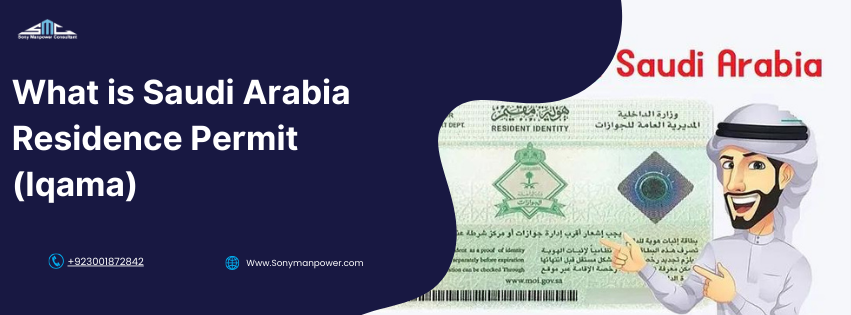
What is Saudi Arabia Resident Identity Card (Iqama) In Saudi Arabia, the term “Iqama” is very important for expatriates. This article will explain what Iqama is, and look at the different types issued by Saudi authorities. We’ll start with a simple overview of Iqama. Its purpose, and the various kinds available to expatriates living and working in Saudi Arabia. What is Iqama in Saudi Arabia? Iqama(residence permit) is an identity card issued by the Saudi government. That acts as a residency permit for expatriates living in the Kingdom of Saudi Arabia (KSA). Although It is closely linked to a sponsor, typically an employer, and serves as proof of legal residency. The Iqama allows expatriates to access various services and benefits in the country. Obtaining an Iqama can be complex. What is the Purpose of Iqama in Saudi Arabia? The Iqama(residence permit) in Saudi Arabia serves several key purposes. It is your official identification card and proof of legal residency. Primarily, it is essential for lawful employment. Showing your connection to a local sponsor and functioning as both your residence and work permit. This crucial document ensures you comply with immigration and work regulations. Providing a clear framework for expatriate employment in the Kingdom. If you need help with the Iqama (residence permit) process, consider the services of Sony Manpower Top Recruitment Agency in Pakistan. They can provide valuable assistance in navigating the complexities of Saudi Arabia’s residency system. What Are the Benefits of Iqama in Saudi Arabia? Business Opportunities The Iqama( residence Permit) provides expatriates with the ability to establish and manage companies in Saudi Arabia while complying with foreign investment regulations. This facilitates entrepreneurial ventures and supports economic growth among expatriates. Travel Freedom With an Iqama, expatriates enjoy the freedom to enter and exit Saudi Arabia without needing a separate visa for each visit. This streamlined travel process enhances overall convenience and efficiency for residents. Family Visits The Iqama also allows expatriates to apply for visitor visas for family members, making it easier to facilitate family reunions and maintain close connections with loved ones. Active Participation in the Saudi Economy Aligning with Saudi Arabia’s Vision 2030, the Iqama integrates expatriates as integral contributors to the Saudi economy. It helps boost consumption by improving purchasing power, promotes economic activity across various sectors, supports the growth of small and medium enterprises, and creates job opportunities for Saudi citizens. Legal Framework and Consequences The Iqama operates within a legal framework that emphasizes accountability, requiring adherence to specific conditions. Non-compliance with these conditions can lead to the cancellation of the permit. Reasons for cancellation include providing false information, criminal convictions, or deportation orders, ensuring a transparent and lawful process. Who Needs Iqama (residence Permit) in Saudi Arabia? If you are planning to move to Saudi Arabia with your family, obtaining an Iqama is the first step, as it allows you to sponsor your spouse and/or children. For anyone moving to Saudi Arabia or staying for more than 90 days, an Iqama or Saudi ID Card is required. This card is essential for expatriates as it confirms their legal residency and provides access to various services and benefits within the country. If you plan to live and work in Saudi Arabia, having an Iqama or updating your iqama is crucial. How to find the iqama number by passport number Visit Absher Portal: Go to Absher.sa and log in. Navigate to Services: Find the option to query Iqama status. Enter Passport Number: Input your passport number and submit. View Iqama Number: Your Iqama number should appear if the details are correct. Alternatively, visit a Passport office (Jawazat) in Saudi Arabia with your passport for assistance. How Many Types of Iqama (Residence Permits) in Saudi Arabia? Saudi Arabia offers several types of Iqama to meet the diverse needs of expatriates: Domestic Worker Iqama: Issued to individuals employed as domestic workers, such as maids, drivers, and cooks. Labor Class Iqama: For expatriates working in lower-skilled labor positions. Professional Class Iqama: Designed for individuals in specialized or professional roles. Dependents Iqama: Granted to family members of expatriates, allowing them to reside in Saudi Arabia. Government Employees Iqama: Issued to expatriates working in government positions. Business Iqama: For expatriates who own or are involved in business operations in a country. Special Privileged Iqama (Green Card): A special residency permit that offers various benefits in Saudi Arabia. Let’s Explore Each Type of Iqama in Detail 1. Domestic Worker Iqama The Domestic Worker Iqama is issued to foreign household employees hired by Saudi citizens. This category includes positions such as housemaids, drivers, nannies, and watchmen. Holders of this Iqama have access to government hospital services. However, they cannot apply for permanent family visas or family visit visas. 2. Labor Class Iqama The Labor Class Iqama is granted to those workers in labor-intensive fields. Such as construction site workers, welders, plumbers, cleaners, and painters. Those with this Iqama receive insurance coverage from their sponsoring companies. 3. Professional Class Iqama Professional Class Iqama is designated for those individuals with professional degrees. Which includes doctors, nurses, engineers, and pharmacists. Professionals in this category working in the private sector receive insurance benefits from their employers. Holders of this Iqama can sponsor family members for visits and permanent stays and are eligible to apply for visas to countries like the UK and the USA. However, they may need to register with specific regulatory authorities in Saudi Arabia depending on their profession. 4. Dependents Iqama The Dependents Iqama is intended for the family members of expatriates or foreign workers. Which resides in Saudi Arabia. To obtain this Iqama, the expatriate must be present in Saudi Arabia under a permanent visa and initiate the application process for their family members. 5. Government Employees Iqama Foreign employees working in the government sector of Saudi Arabia receive the Government Employees Iqama. This permit allows them to access government sector services and sponsor family members for visits or permanent visas without incurring additional dependent fees. 6. Business Iqama The Business
How to check Iqama Huroob status online
How to Check Iqama Huroob Status Online 2026 Huroob status is one of the most serious issues a Pakistani worker in Saudi Arabia can face. It can result in Iqama cancellation, a work ban, fines, or deportation. This complete guide explains what Huroob is, how to check your Iqama Huroob status online in 2026 using MOL KSA, Absher, and Musaned portals, and exactly what steps to take if your status is flagged. Important: If your Huroob status is active, do NOT wait. Act immediately by contacting your employer or a legal advisor. Delays increase penalties and risk of deportation. What is Iqama Huroob? In Saudi Arabia, “Huroob” (هروب) literally means “escape” or “running away.” In legal terms, it refers to a situation where a foreign worker has gone absent from their employer without permission or has failed to return to Saudi Arabia after an exit re-entry visa. Once an employer or the Ministry of Interior files a Huroob complaint against a worker, the worker’s Iqama (residence permit) is flagged. This affects the worker’s legal status immediately — even if they are still inside Saudi Arabia and still reporting to work. Types of Iqama Huroob/Absent from Work In Saudi Arabia, “Huroob status” refers to being absent from work, which is a serious issue for foreign workers. Understanding the two main types of Huroob is important, as they have different implications: 1. Employer-Initiated Huroob: When an employee is absent from work without valid justification or permission, the employer may start Huroob proceedings. This type of Huroob reflects negatively on the employee’s job commitment and can lead to: Iqama Cancellation: If Huroob status is confirmed, the employee’s Iqama may be canceled, which makes them ineligible to work in Saudi Arabia. Work Ban: An Iqama canceled due to employer-initiated Huroob results in a ban on working in the country, which can severely impact the employee’s livelihood. Possible Deportation: Depending on the situation, deportation may also be a potential outcome. 2. Ministry of Interior-Initiated Huroob: This type of Iqama Huroob occurs when an employee fails to return to Saudi Arabia on an exit re-entry visa. It can happen if the employee overstays their exit re-entry visa or does not return as per the visa conditions. The consequences of Ministry of Interior-initiated Huroob are similar to those of employer-initiated Huroob, including: Iqama Cancellation: The employee’s Iqama may be canceled, making them ineligible to work in Saudi Arabia. Work Ban: Those affected face a ban on working in the country, impacting their livelihood. Possible Deportation: Depending on the situation, deportation may also be a potential outcome. Navigating Iqama Huroob Status: Understanding the different types of Huroob is crucial because the steps to resolve them vary. Discuss the issue with them to seek a resolution. For Huroob initiated by the Ministry of Interior, adhere to visa regulations and take prompt action through official channels. Next, we’ll outline simple steps to check and manage your Huroob status, providing you with the information needed to address any issues. The Importance of Checking Iqama Huroob Status Checking your Huroob status is crucial for expatriate workers in Saudi Arabia. Here’s why it’s important: Avoid Penalties: Knowing your Huroob status helps you avoid severe penalties, such as the cancellation of your Iqama, work bans, and potential deportation. Stay Compliant: Regularly verifying your status ensures that you remain compliant with Saudi regulations and avoid legal complications. Resolve Issues Early: Early detection of Huroob status allows you to address and resolve any issues promptly, minimizing negative impacts on your employment and residency. Protect Your Livelihood: Keeping track of your Huroob status helps you maintain your ability to work and live in Saudi Arabia without interruptions. By understanding and monitoring your Huroob status, you can safeguard your job and residency status, ensuring a smoother and more secure experience while working abroad. Methods to Check Huroob Status Method 1: Checking Huroob Status on the MOL KSA Website Follow these steps to check your Iqama Huroob status using the Ministry of Labor (MOL) website: Visit the Ministry of Labor Website: Go to the MOL KSA Website. Change Language: Select your preferred language on the MOL website. Enter Identification Information: Input your Iqama number, border number, or passport number. Choose Your Nationality: Select your nationality from the options provided. Complete Captcha Verification: Enter the captcha verification code shown. Click the “Search” Button: Press the “Search” button to view your status. Huroob Status (متغيب عن العمل): Indicates you are considered “Absent from Work.” Regular Status (علي رأس العمل): Shows that you are “On Duty.” Method 2: Huroob Check via Absher Portal (Requires an Absher Account) If you have an active Absher account, you can check your Iqama Huroob status through the Absher portal: Visit the Absher Website: Go to the Absher Portal. Log in to Your Absher Account: Enter your credentials to log in. Choose the “Services” Option: Select the “Services” menu. Option for the “Passport” Service: Click on the “Passport” service. Navigate to the “Personal Information” Section: Find and open the “Personal Information” section. Check Your Status: Look for your employment status in the new window. If Huroob Status is Present: You may see that you are not registered as an employee, indicating Huroob status. If Login Issues Occur: Difficulty accessing your Absher account may suggest account termination due to Huroob. In such cases, verify your status again using the Ministry of Labor website for confirmation. Iqama Huroob Fine Amount 2026 Many Pakistani workers ask: “How much is the Huroob fine in Saudi Arabia?” While exact fines vary by case, here is what is generally applicable in 2026: Violation Approximate Fine Working for a different employer without transfer SAR 10,000 per violation Overstaying exit re-entry visa SAR 500–1,000 per month overstayed Iqama expired + Huroob active SAR 500/month (Iqama) + Huroob penalty Employer fined for harboring Huroob worker SAR 10,000 per worker Warning: Fines are charged at the time of departure from Saudi Arabia at the airport. You will not be allowed to leave until all fines are paid. This is why early resolution is critical. Consequences of Being Caught